
Neuropathic pain is often assessed and studied through questionnaires designed by researchers. However, patients have told us that these assessments miss out on some important aspects of their experience of chronic pain. This research theme is about improving the assessment of neuropathic pain to reflect patients' priorities.
We focus on understanding the lived experience of neuropathic pain to ensure that the assessment of neuropathic pain and its outcomes aligns with patients' priorities. There is an increasing need for an improved assessment of sensory phenotype and stratification of participants in neuropathic pain research. Applying novel and technologically-driven methods will allow us to identify symptom patterns, co-varying symptoms, and their impact over time and across different contexts.
We are working closely with patient partners and study participants to explore and characterise their experience of neuropathic pain. We are exploring the assessment tools used in Work Package 1 to establish whether they adequately describe symptoms and all relevant outcomes in different neuropathic pain conditions. From this, we can establish whether there is an opportunity to build a novel, personalised measure of pain assessment that is both meaningful and measurable at an individual level.
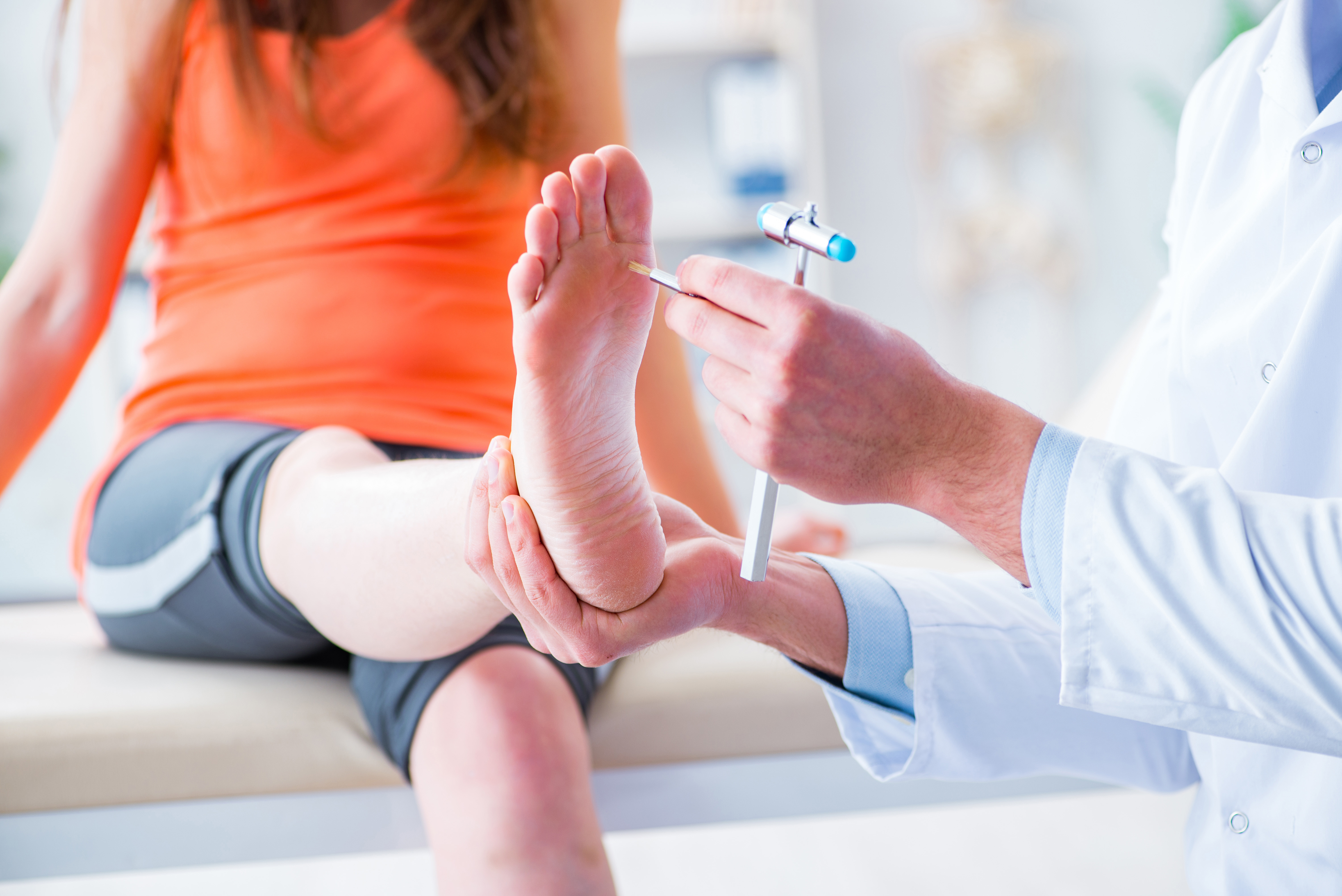
To optimise the assessment of neuropathic pain, we are looking at validated instruments (that can be used in routine clinical care) and more specialised assessment methods from the patients' perspective. For instance, we aim to optimise the protocol for quantitative sensory testing (QST). QST is a technique that determines a person's sensory profile, for instance how slowly or quickly they detect temperature, pressure, and vibration compared to a reference group. We want to adapt the standard QST protocol to make it more acceptable to participants and easier to use in clinical practice, while maintaining its accuracy.
Finally, we are planning to use wearable technologies to try and find patterns in how the patients' experience of pain manifests over time. This work will be done with Work Package 3. We want to uncover what patients identify as the most appropriate symptoms, behaviours, and psychosocial components to consider. Working with people with neuropathic pain, we will explore which devices and what frequency of assessment are most acceptable, and whether the data captured may provide usable information to clinicians and help patients to better share how they monitor and manage their pain.
Work Package 2 (WP2) of the PAINSTORM consortium sought to improve understanding of neuropathic pain by exploring the lived experiences of people living with the condition and examining how effectively current assessment approaches capture those experiences. The study seeks to inform clinical practice and ensure that neuropathic pain assessment is meaningful, person-centred, and reflective of patients’ real-world experiences.
The project completed 32 qualitative interviews with people living with neuropathic pain associated with a range of conditions, including diabetes, HIV, chemotherapy-related neuropathy, and other causes such as fibromyalgia, post-herpetic neuralgia, stroke, Lyme disease, and Long COVID.
Of these, a total of 22 participants took part in focus group discussions to better understand their experience of self-report assessment of neuropathic pain, and 14 participants took part in focus group discussions focused on the potential role of wearable technology. Data were analysed using Reflexive Thematic Analysis, with public and patient involvement (PPI) integrated into the analytical and writing process. This collaborative approach aimed to strengthen interpretation by incorporating lived experience perspectives alongside academic analysis.
Several manuscripts are currently in progress. One reports in depth about the psychosocial impacts of neuropathic pain, while another focuses on management, coping, and support of neuropathic pain. Another manuscript explores neuropathic pain assessment by looking at self-report measures and wearable technologies, to better understand how these tools are, and can be, used to describe symptomatology and pain measurement from the perspective of people living with neuropathic pain.
Overall, findings from WP2 illustrate a sustained emphasis of the need for holistic, person-centred, integrated approaches to neuropathic pain care, improved support for self-management, better assessment tools, and greater recognition of the lived realities of people living with neuropathic pain.
Public and Patient Involvement
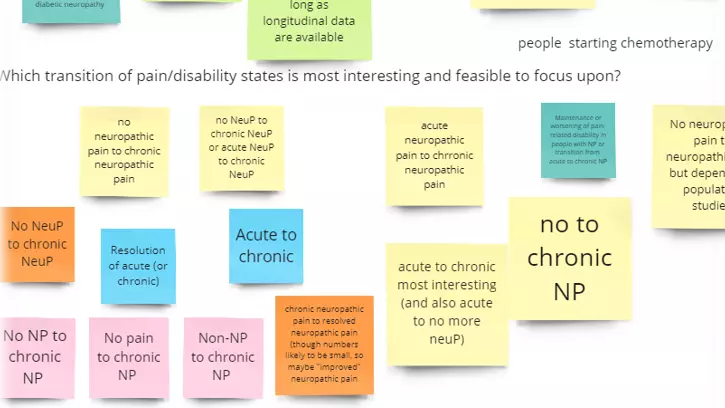
This work package was originally proposed by our patient partner co-applicants, and they were integral part of designing and delivering this work package. Work package members, wider PAINSTORM team, alongside patient partners designed and co-led the “Expressions of Pain” event place in March 2023 in Aberdeen, with workshops reaching the public and people living with pain. In addition to other events, an interactive workshop was held at the NeuPSIG 2025. This manuscript, co-authored by work package member and a patient partner, has recently been accepted as a Perspective piece in PAIN: “Voices in Pain: Co-Production, Creative Methods, and Communicating Chemotherapy-Induced Painful Neuropathy.”
- IASP Factsheet: Partnering with People with Lived Experience in Pain Research
- This study provides a summary of the lived experience of chronic (non-cancer) pain. It highlights the adverse nature, complications, and consequences of living with chronic pain in the UK. Understanding the lived experience of chronic pain: A systematic review and synthesis of qualitative evidence syntheses
- PAINSTORM members contributed to recommendations on meaningful and authentic engagement of patients in pain research. They emphasise the importance of "active, purposeful, and authentic" patient engagement that occurs "throughout the entire lifecycle of the research process". Read the full recommendations here: Patient engagement in designing, conducting, and disseminating clinical pain research: IMMPACT recommended considerations